The Art of Living Well: Designing Multifunctional Spaces with Style
Today’s homes are working harder than ever. They are offices, classrooms, gyms, guest retreats, creative studios, and gathering places—all under one roof. At Pamela Hope Designs, we believe a well-designed home should support real life beautifully. And that’s where multifunctional spaces shine.
Multifunctional design isn’t about squeezing more into a room. It’s about thoughtfully layering purpose, personality, and flexibility so the space evolves with you. When done well, it feels effortless and efficient. The room works the way you need and want it to.
Why Multifunctional Design Matters Now
The way we live has shifted. Work-from-home routines are here to stay. Families crave spaces that adapt to changing schedules. Entertaining styles have become more relaxed and personal.
Rather than adding square footage, we often find smarter ways to use what’s already there. This can result in rooms that serve multiple purposes without sacrificing comfort or style.
A guest room becomes a home office with hidden storage. A dining room doubles as a homework station. A living room transforms into an evening movie lounge with layered lighting and performance textiles and it’s all about planning!
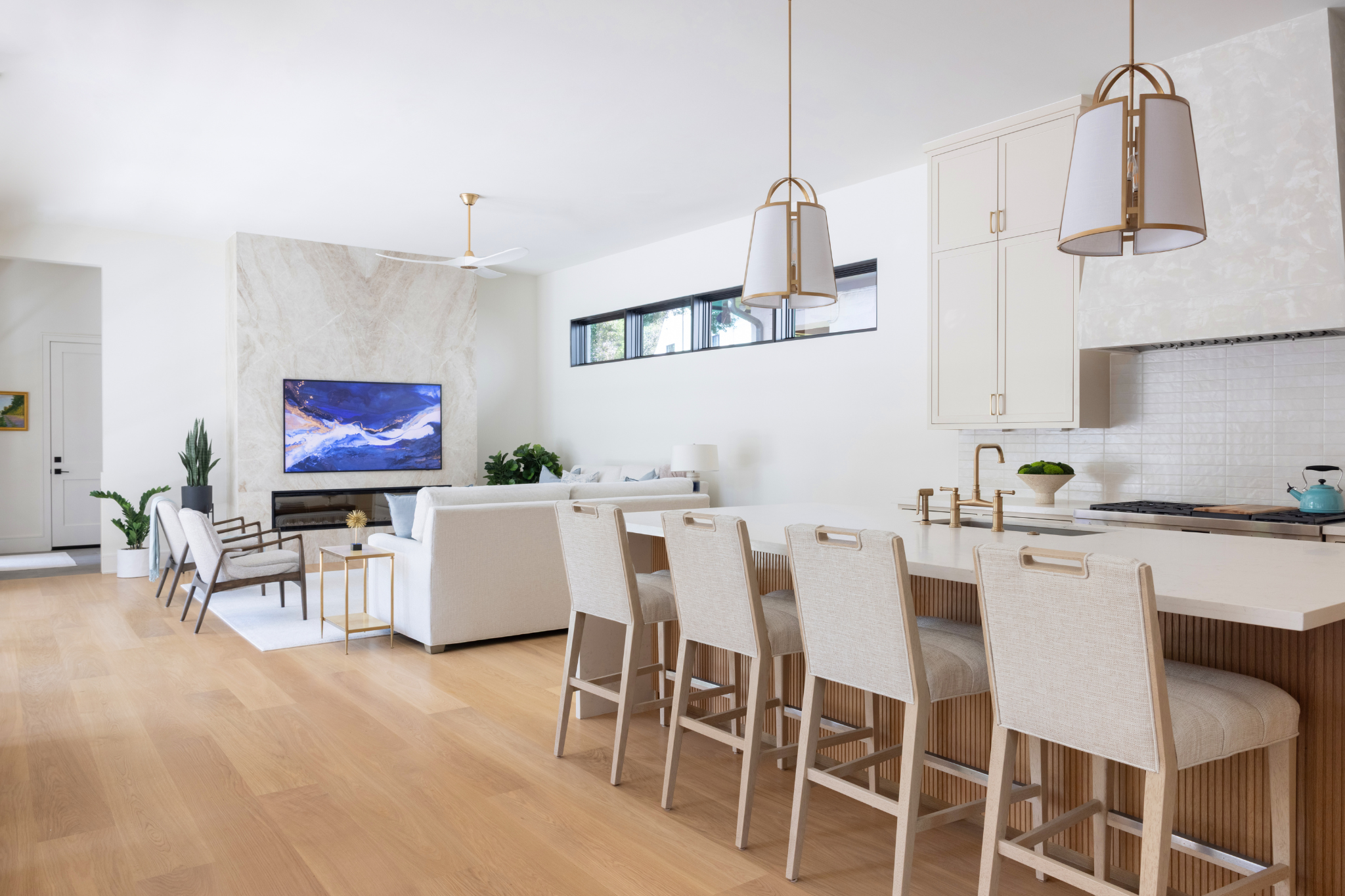
- Start with How You Truly Live
Before we ever select a fabric or sketch a layout, we ask a few questions. It’s as simple as knowing how you want your home to function on an ordinary Tuesday—and on a special Saturday night?
Understanding daily rhythms allows us to design rooms that transition seamlessly. For example:
- Do you need a workspace that disappears at 5 PM or do you head back to your office after dinner?
- Do you have so many overnight guests and is your home large enough that you can dedicate entire rooms year-round primarily for guest usage?
- Does your family gather around a large table for puzzles, work, and dinner? How many people do you need to seat?
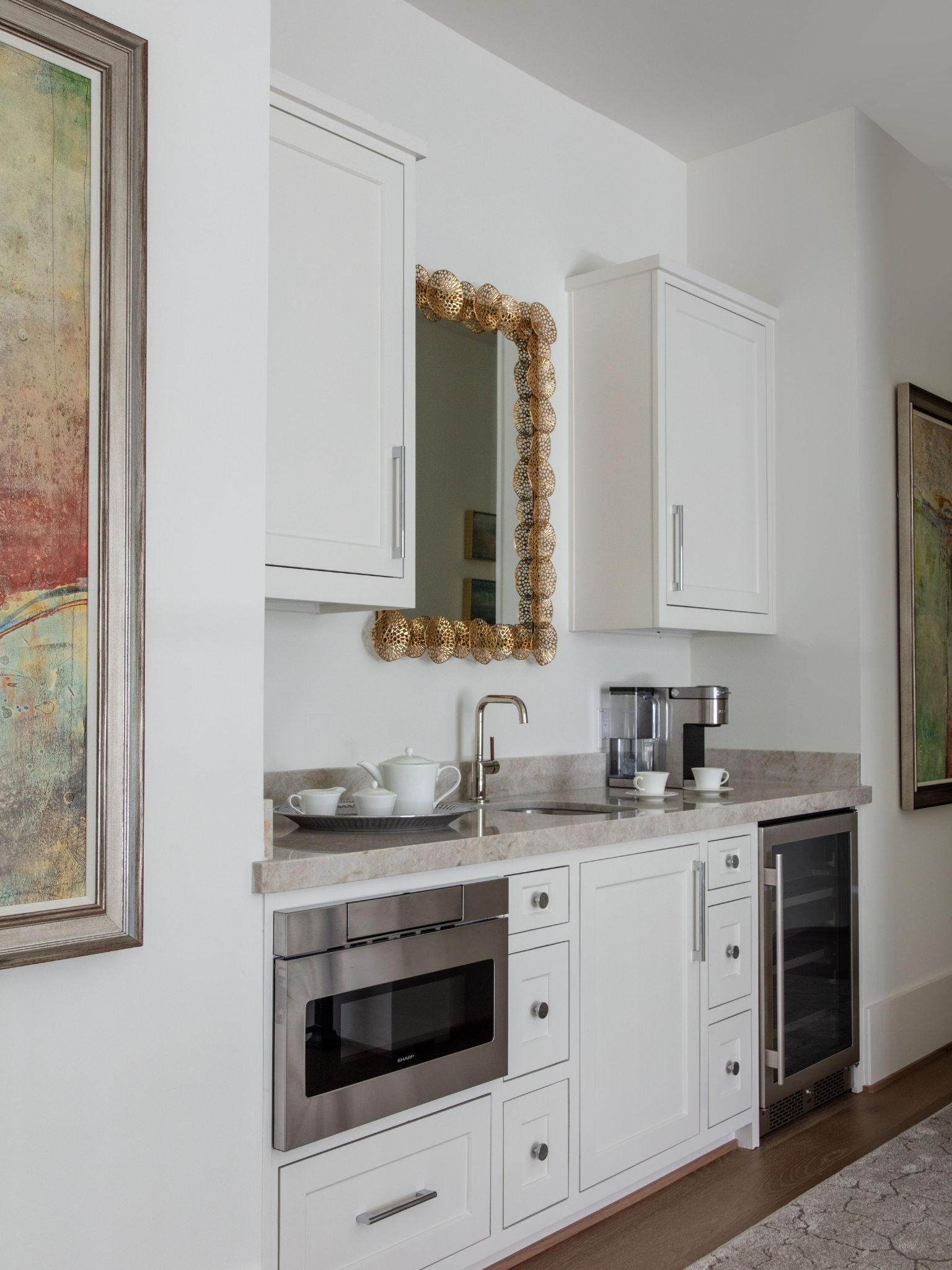
- Thoughtful Furniture = Flexible Living
Furniture is the foundation of multifunctional design. The right pieces allow a room to shift roles with ease. Some of our favorite solutions include:
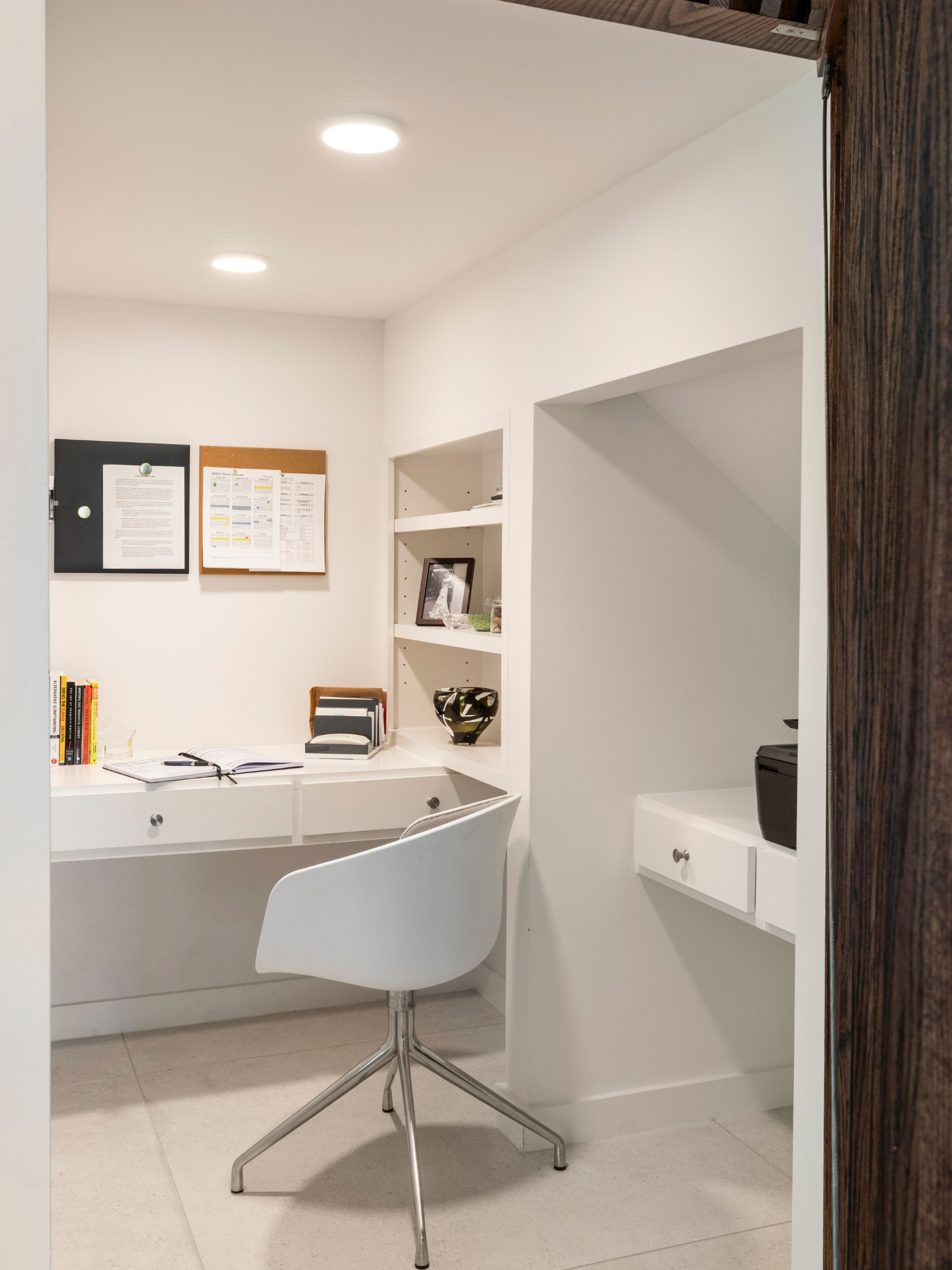
Built-in desks with concealed doors, which are perfect for clients who want a polished living space without visible paperwork. Close the doors, and the office disappears.
Murphy beds with integrated cabinetry can be a game changer for smaller homes or flex rooms. Guests feel welcomed without sacrificing everyday square footage.
Storage ottomans and benches are beautiful on the outside and practical within. We love using these in family rooms for blankets, toys, or seasonal décor.
Expandable dining tables are ideal for clients who entertain often but don’t want a massive table dominating the room daily.
At PHD, we lean toward timeless silhouettes with a twist—classic forms enhanced by unexpected hardware, texture, or color…and flexibility when needed.
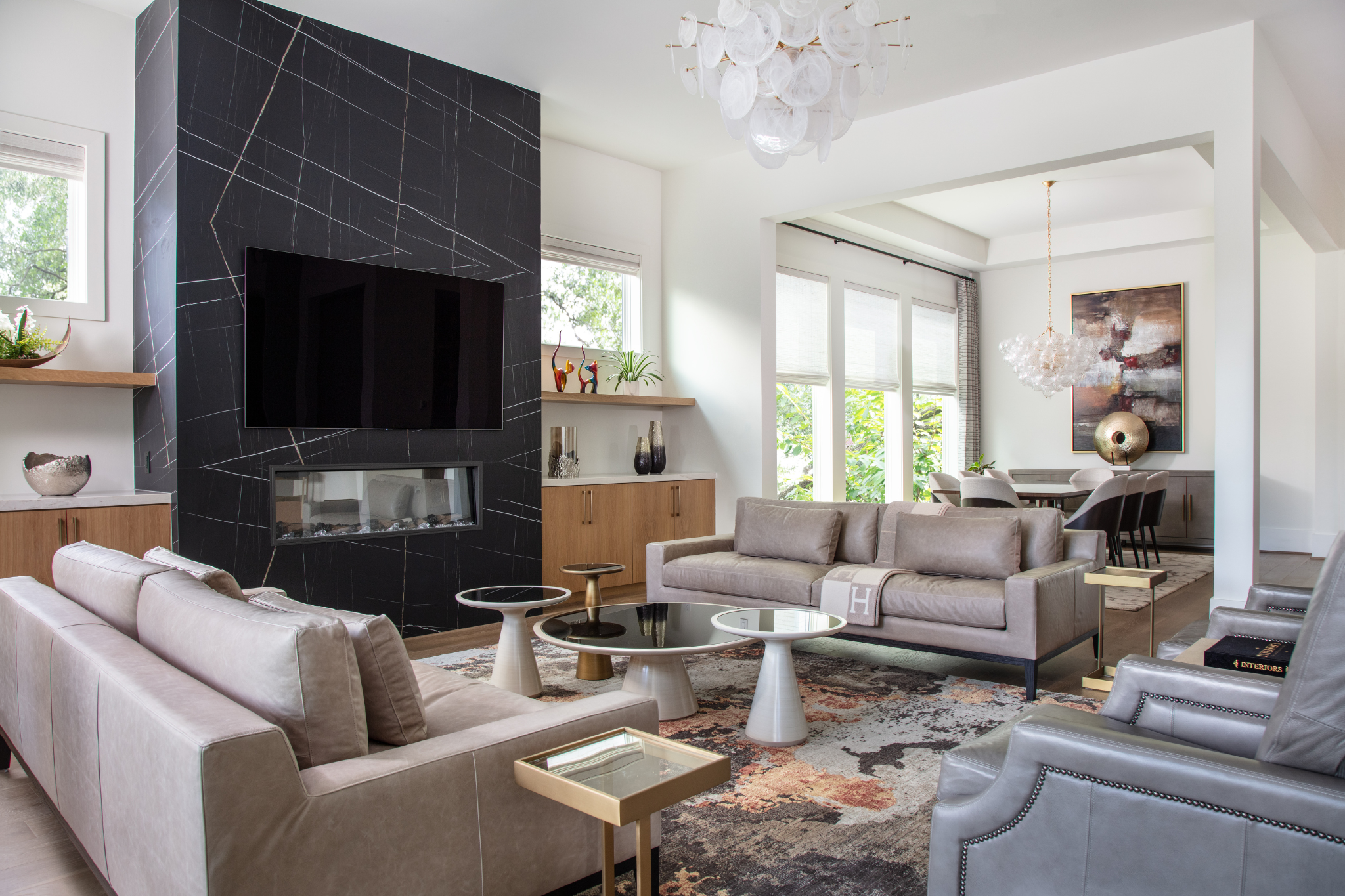
- Zoning: The Secret to Seamless Spaces
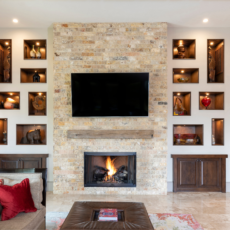
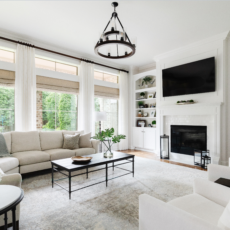
In open-concept homes especially, multifunctional living depends on subtle visual boundaries to keep them from feeling large and lifeless. We like to create “zones” using area rugs to define seating versus work areas, layers of light = pendants, sconces, lamps to signal different moods, furniture placement to create natural flow and open shelving or cabinetry to gently divide without closing off
The goal is cohesion—not confusion. Each zone should feel intentional while contributing to a harmonious whole.
- Storage: Beautiful and Abundant
A multifunctional room can feel cluttered if storage isn’t prioritized. That’s why we design storage needs in from the beginning.
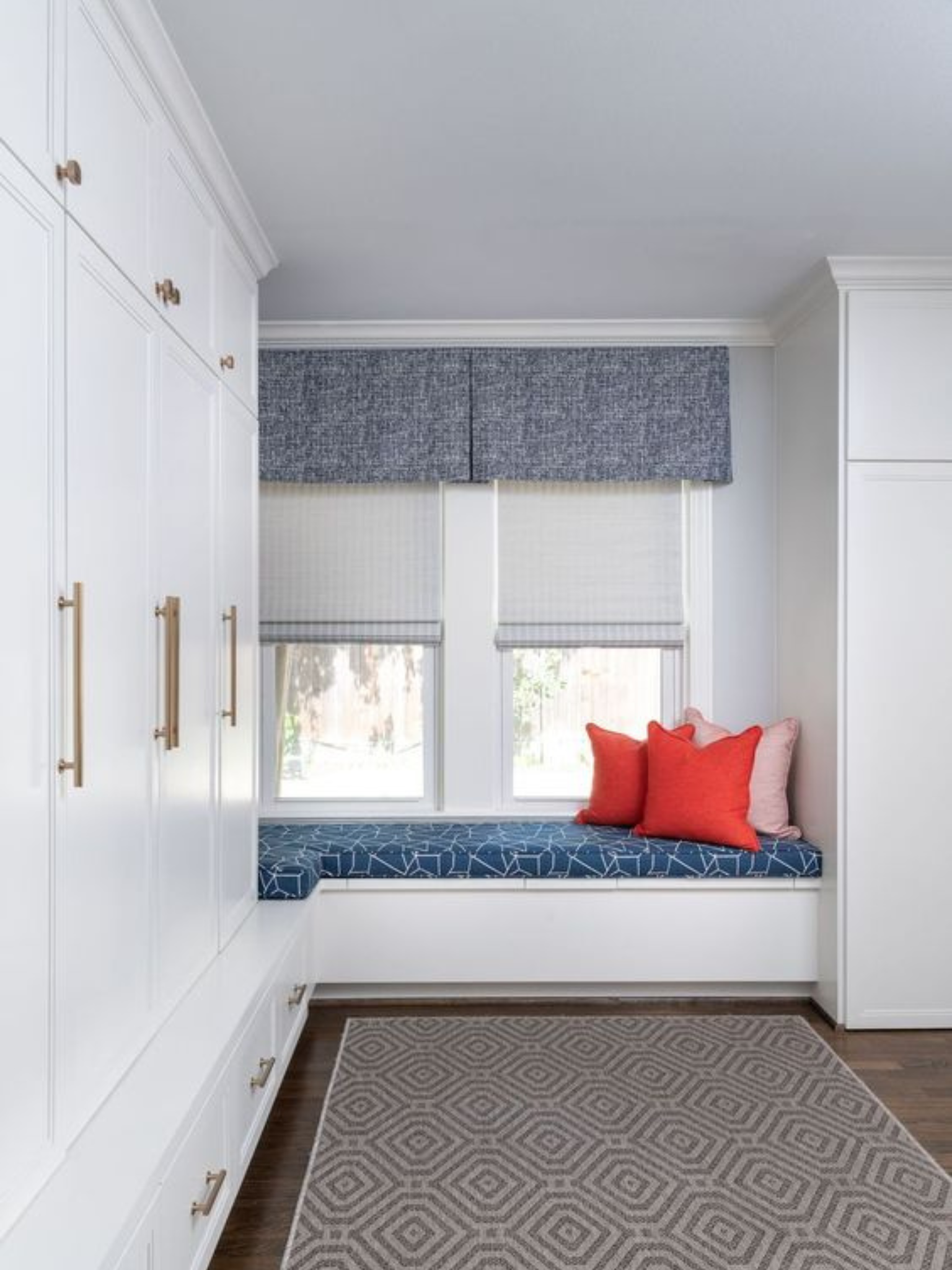
We suggest vertical cabinetry to maximize height, deep drawers for concealed organization, built-in banquettes with hidden compartments and frequently include custom millwork tailored to the home’s architecture
When storage is thoughtful, the room transitions effortlessly between functions. Clean surfaces create calm, and calm creates luxury.
- Layered Lighting for Mood and Productivity
Lighting is often underestimated in flexible spaces. A room used for work during the day and entertaining at night must adapt. A good lighting plan will include task lighting for focus, ambient lighting for comfort and accent lighting for drama
Dimmers are non-negotiable. They allow a bright, productive morning to become an intimate evening gathering with a simple adjustment. At one point when I wondered how many dimmers were enough, my lighting architect friend teased me by asking, “Would you buy a radio without a volume button?” Point taken. Dimmers allow you to tailor your lighting to any level.
- Performance Materials Without Compromise
Multifunctional spaces see more activity. That means durability matters—but style never takes a back seat. At PHD we incorporate performance fabrics and durable wood finishes which can include rustic, primitive and distressed features.
The key is selecting materials that withstand daily life while still reflecting the client’s aesthetic. Luxury and livability should coexist beautifully.
- Designing for the Future
One of the greatest advantages of multifunctional design is longevity. A playroom may later become a study lounge. A nursery can transition into a teen retreat. A hobby room might evolve into a wellness studio. By selecting adaptable layouts and timeless materials, we ensure spaces grow gracefully alongside the families who live in them.
A PHD Perspective: Classic with a Twist
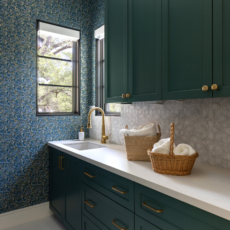
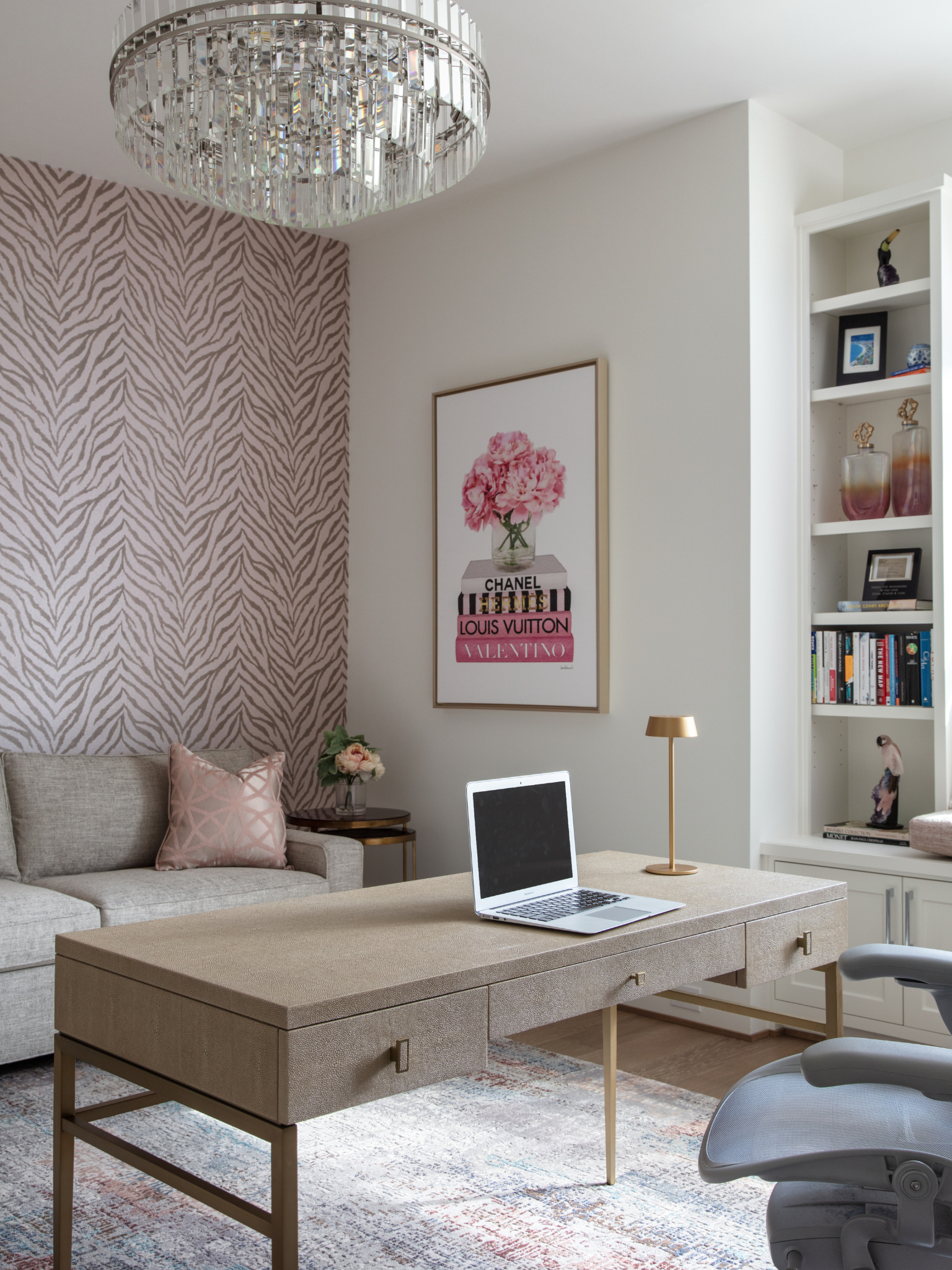
At Pamela Hope Designs, we don’t believe multifunctional spaces should feel utilitarian. They should feel curated, inviting, and deeply personal. A home office can feature tailored drapery and artful lighting. A guest room can showcase layered bedding and statement wallpaper. A family room can host both homework marathons and champagne toasts.
Our approach blends practicality with whimsy—always rooted in our philosophy of “classic with a twist.” The result is a home that supports real life while elevating it.
Bringing It All Together
Multifunctional spaces are not about doing more. They’re about living smarter. They allow your home to respond to your lifestyle instead of restricting it. They create freedom, freedom to host, to work, to relax, to grow. When thoughtfully designed, these rooms feel intuitive. Everything has a place. Every function has a purpose. And beauty remains at the forefront.
If you feel your home needs to work a little harder—or simply reflect the way you live today—we would love to help you reimagine what’s possible.
Because at PHD, we believe your home should be as dynamic, layered, and inspiring as you are.
We are off to our new design project.
Fondly,
Pamela Hope Designs
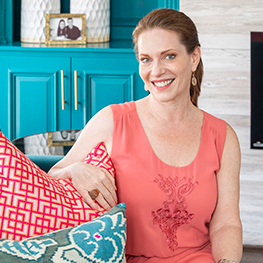
 MEET PAMELA, A LUXURY INTERIOR DESIGNER IN HOUSTON
Pamela O’Brien is the founder of Pamela Hope Designs in Houston, Texas. Pamela is an award-winning luxury interior designer, writer, and speaker. Prior to founding Pamela Hope Designs, Pamela served as a spokesperson in media and public affairs, working with media outlets like Dateline NBC and 48 Hours. This experience allowed her to travel the world and furthered her love for travel, culture, and interior design. After attending an executive course at the Harvard Graduate School of Design, Pamela launched her own interior design firm full-time. Pamela is known for building strong relationships with her clients, who later become friends and collaborators. She is highly influential in the Houston interior design space and shows no signs of slowing down.