Moving into a newly built home can be a joy. It’s a completely fresh start — one that’s free of surprise repairs and the previous homeowners’ design choices. However, it can feel sterile and plain, as it lacks the character often found in older houses. Transform your clean canvas into a residence that reflects your story and personality with these design tips.
Introduce Architectural Interest
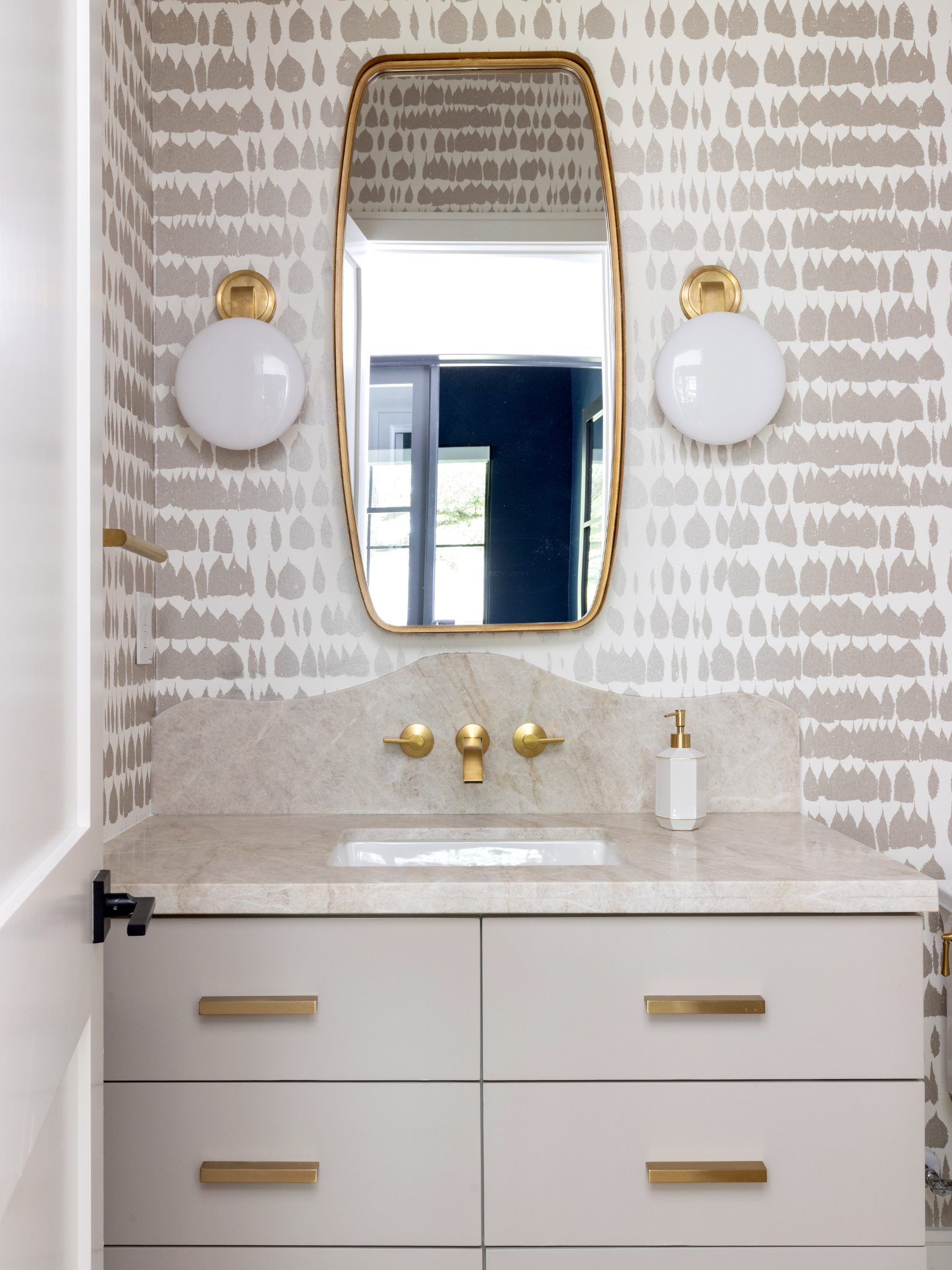
Add architectural details that create a sense of history and permanence to reduce your new-build home’s cookie-cutter feel. Mass-produced houses often have simple, flat drywall. Why not give these blank walls a stylish flair? Consider crown molding for a touch of elegance, picture frame molding for a subtle, high-end feature, or wainscoting for extra texture and durability. Wallpaper is a favorite and can add subtle texture or bold patterns. It is a great way to showcase your style since there is a pattern for everyone.
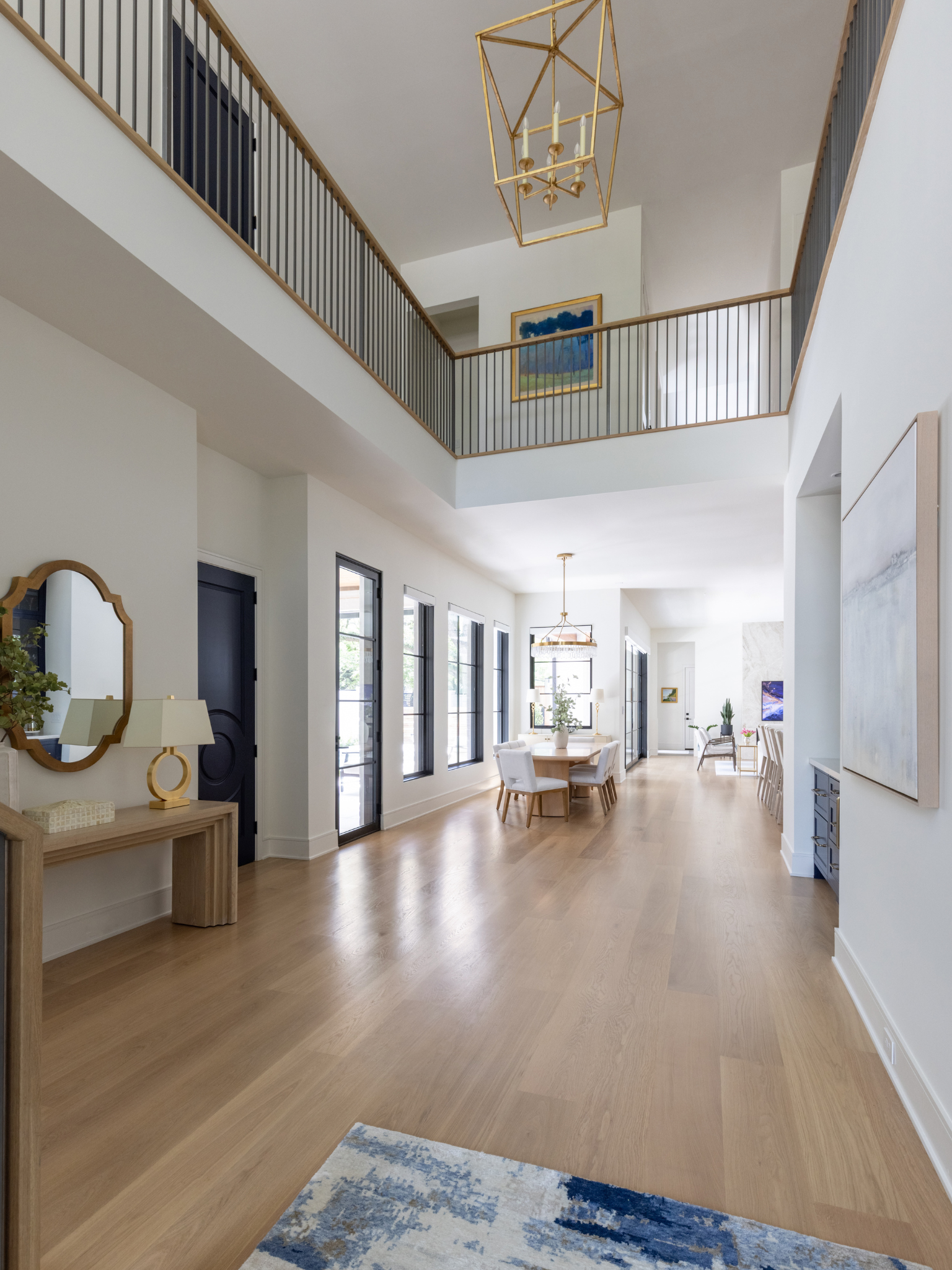
You can also upgrade your doors. Builder-grade versions are often hollow and plain. Replace them with solid-core doors, which feel more substantial and block sound better. Get shaker-style options for a clean, modern farmhouse look or multipanel doors for a classic, traditional feel. If replacement isn’t an option, you can paint them with bold, contrasting colors to make them an intentional design feature.
We selected pretty doors with a circular feature carved into them for the elevator in a new build in West University Place in Houston. We decided to paint them a rich navy color upstairs and downstairs to showcase their design and also help guests navigate.
Upgrade Standard-Issue Fixtures
Fixtures are the jewelry of a home, and builder-grade options are often chosen for function, not form. Swapping them is an easy way to give your new-build home a subtle upgrade. For example, you can replace standard silver cabinet pulls in the kitchen and bathroom with matte black, brushed brass or leather pull hardware. Don’t forget the doorknobs and hinges.
Invest in statement lighting. Replace a standard dining room light with a dramatic chandelier or a linear suspension light. Consider swapping out dated lights in hallways for stylish flush or semi-flush mounts that have more design detail.
Upgrading your ceiling fans is another subtle style-up. Select models that match your home’s aesthetic, such as rustic options with built-in lights that complement that farmhouse vibe and sleek metal versions for contemporary spaces. Invest in modern, energy-efficient fans for more utility savings.
Choose Furniture With Personality
A home with character often looks like it has been curated over time. That means the quickest way to a generic-looking room is a matching five-piece furniture set.
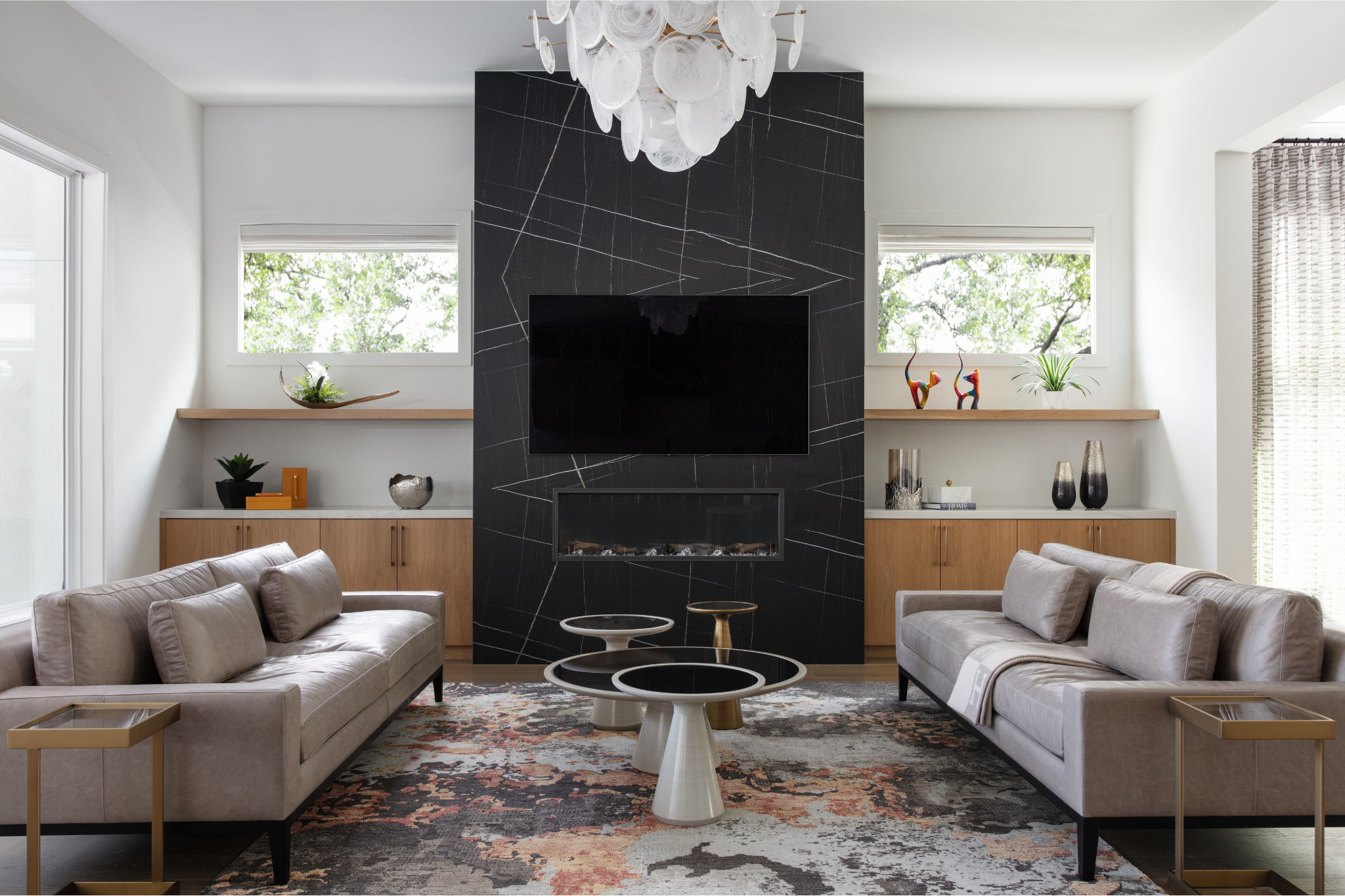
Mix and match different styles. Think like a curator, not a shopper. Pair a modern, clean-lined sofa with a vintage, ornate wood coffee table, or surround a rustic farmhouse dining table with sleek metal chairs. Use contrast to create tension and interest.
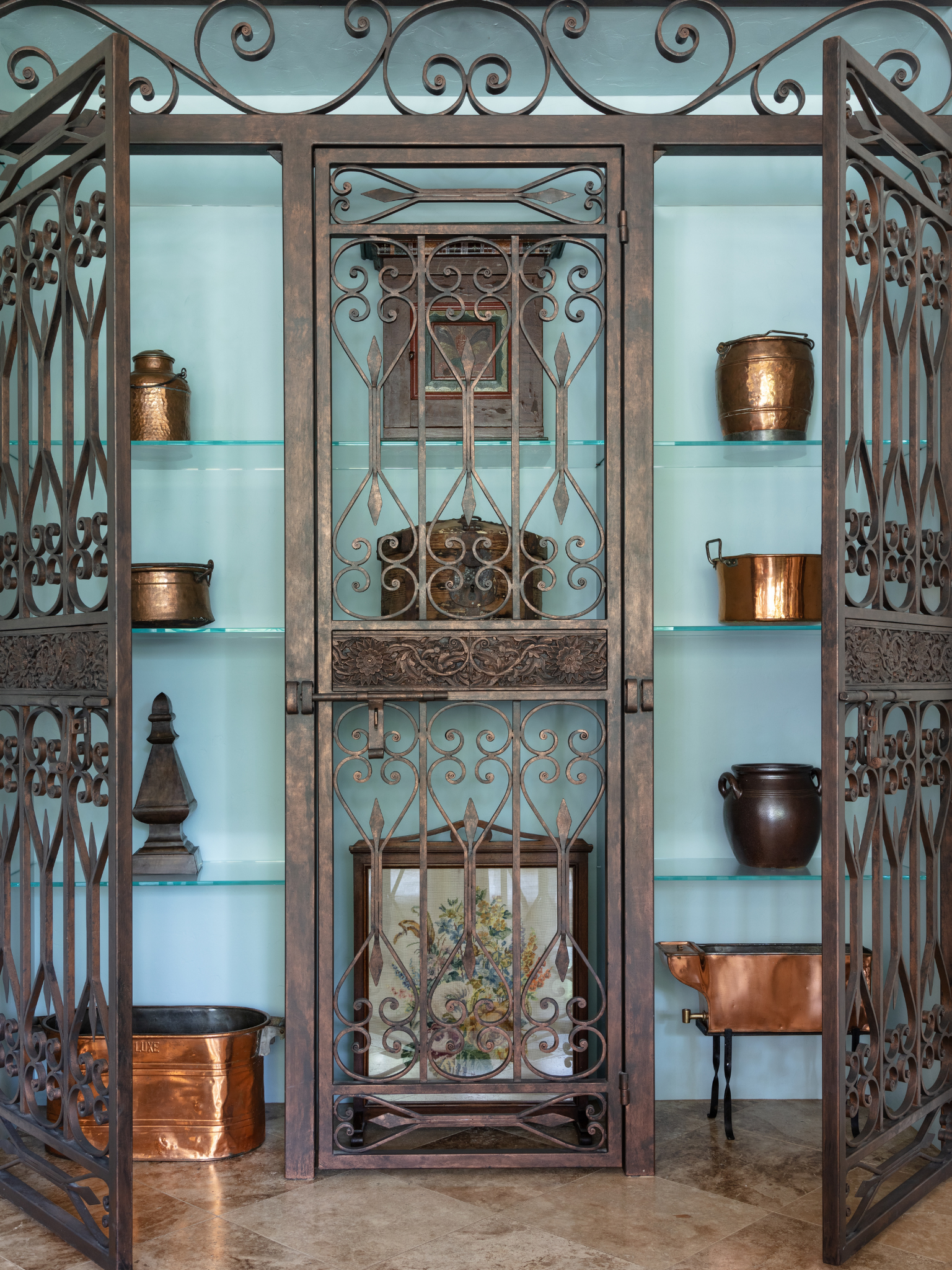
Freestanding storage can also add more style to your new-build home. Chests, ottomans and similar furnishings can serve as statement pieces in any room, providing warmth and character. You can place them almost anywhere and refinish or repurpose them to match the new space.
Bring the Outdoors in With Natural Elements
Creating a home that’s deeply connected to life and nature is a great way to make it feel grounded and less sterile. Getting houseplants is a great start. Place a tall floor plant by a floor-to-ceiling window, a medium one on the corner of your work desk and a trailing evergreen atop a shelf to add layers of green.
Go for decor with natural materials. Consider placing a hand-carved wooden bowl on a console to store keys and other essentials, or using woven jute or seagrass baskets for storing blankets, wool throws and pillows.
Also, make any space feel more alive and welcoming by maximizing natural light. Use mirrors on opposite windows to bounce light around the room or hang stained glass suncatchers to turn sunlight into colorful, moving rainbows. Consider using airy curtains that allow daylight to filter through even when they’re closed.
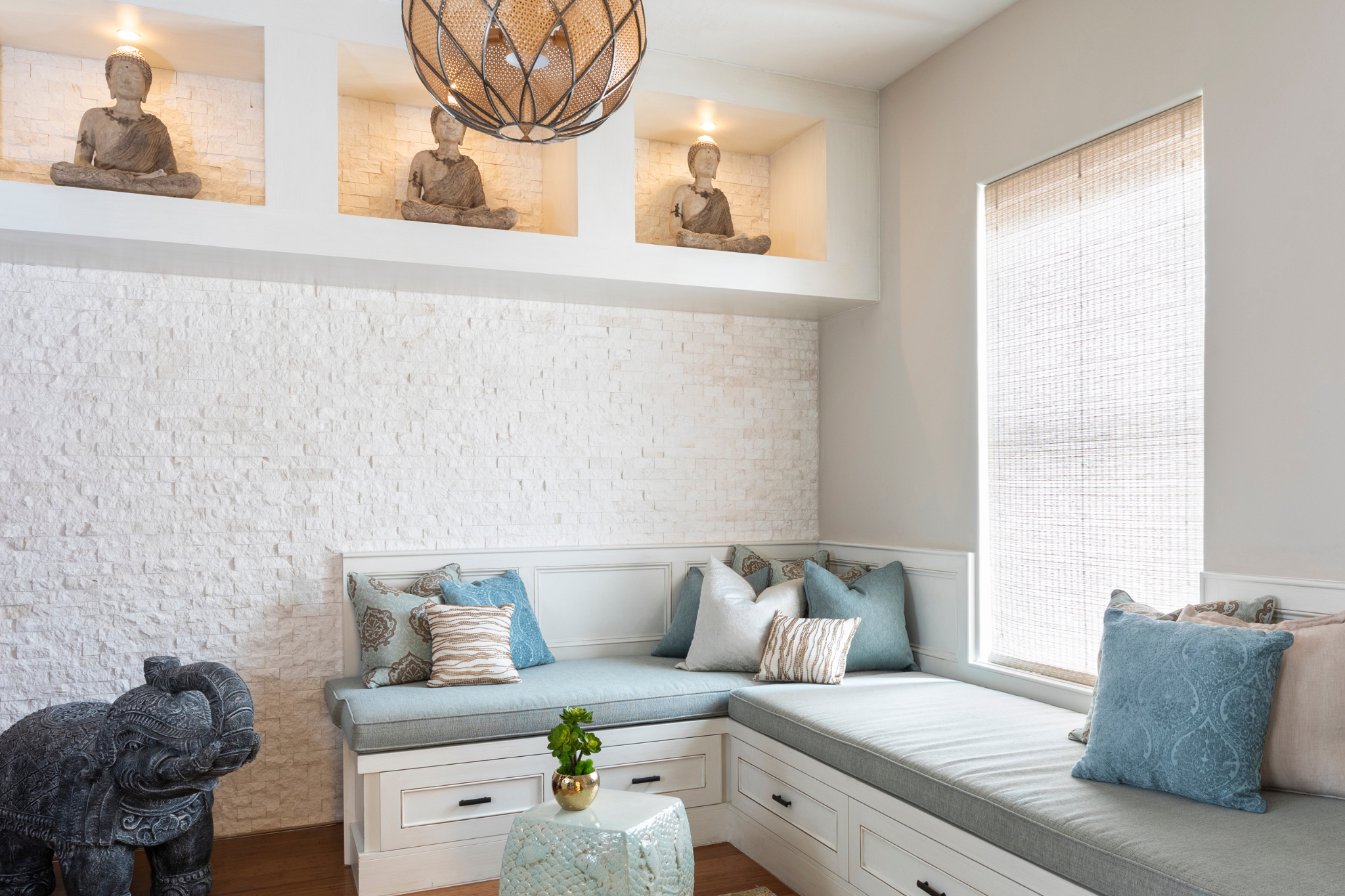
Layer Softness and Texture With Textiles
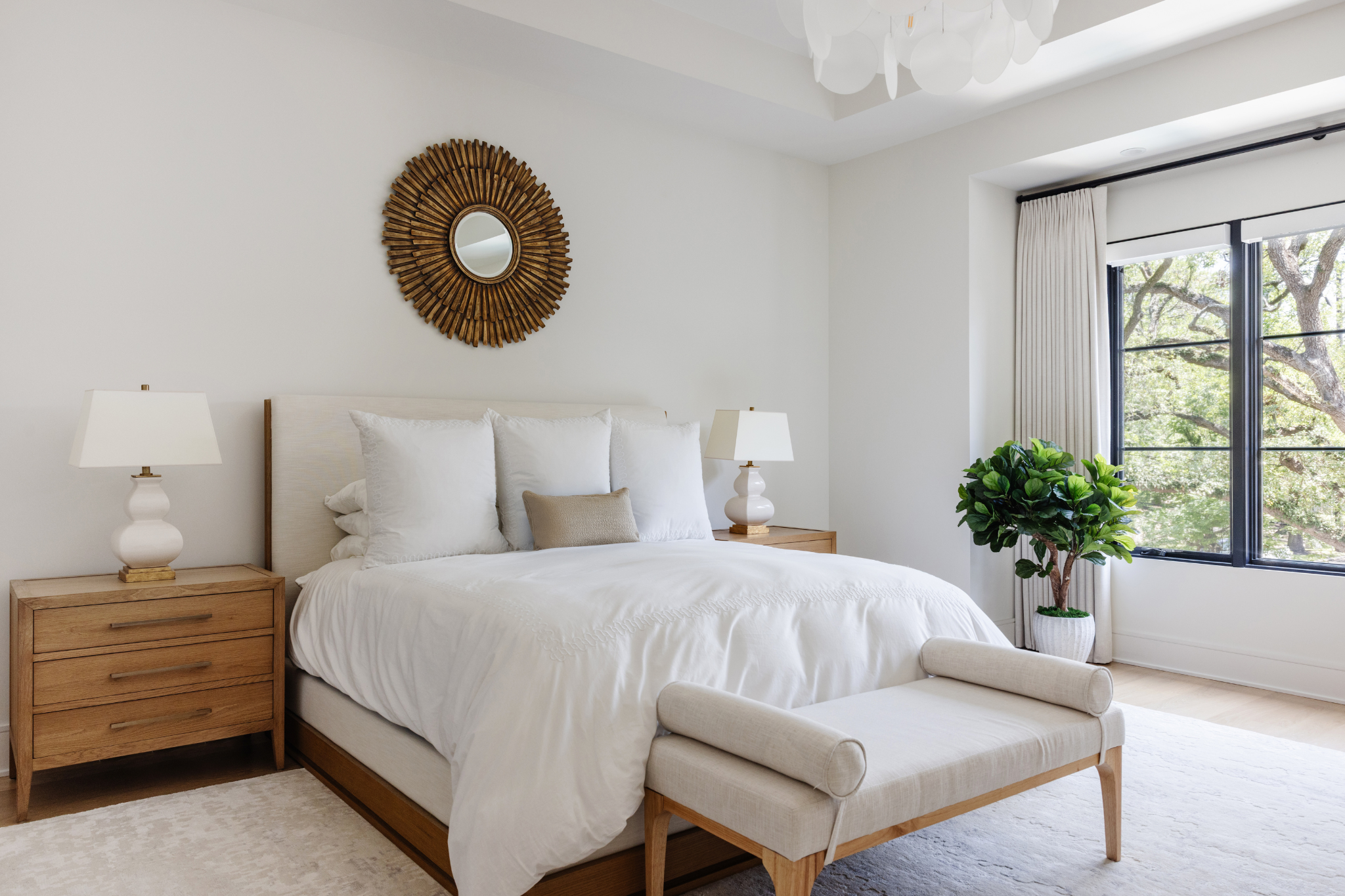
A room without textiles can feel cold and hard. It may also have an echo without any material to dampen sound. Adding layers of fabric can help absorb noise and add literal and visual warmth to the space.
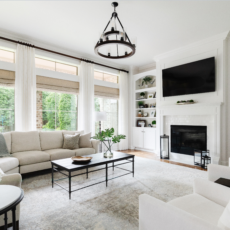
Use rugs to add rich texture and define spaces within open-concept rooms. Contrast is key to avoiding visual overload and achieving a balanced look. For example, pair a large, natural-fiber jute or sisal rug with a smaller, plush wool or faux sheepskin rug in a solid cream or ivory color. The rustic, earthy feel of the jute provides a simple foundation that makes the soft, luxurious pile of the sheepskin pop.
We love rugs at PHD and find most clients think they just need one or two rugs when in reality most room benefit from one. Curating a set of rugs for a home is often one of our clients’ favorite parts of the project.
Move beyond standard plastic blinds and explore different ways to cover your windows. Consider roman shades for a clean, tailored look or flowing drapes for softness and drama. You can also add natural texture with woven wood or bamboo shades. Of course, the ultimate look is a layered one. Use a functional shade and a set of drapery panels for comfort and beauty in a room. The shade can be used during the day for privacy and light control and the drapery provides a soothing cocoon and room darkening at night.
Curate and Display Personal Items
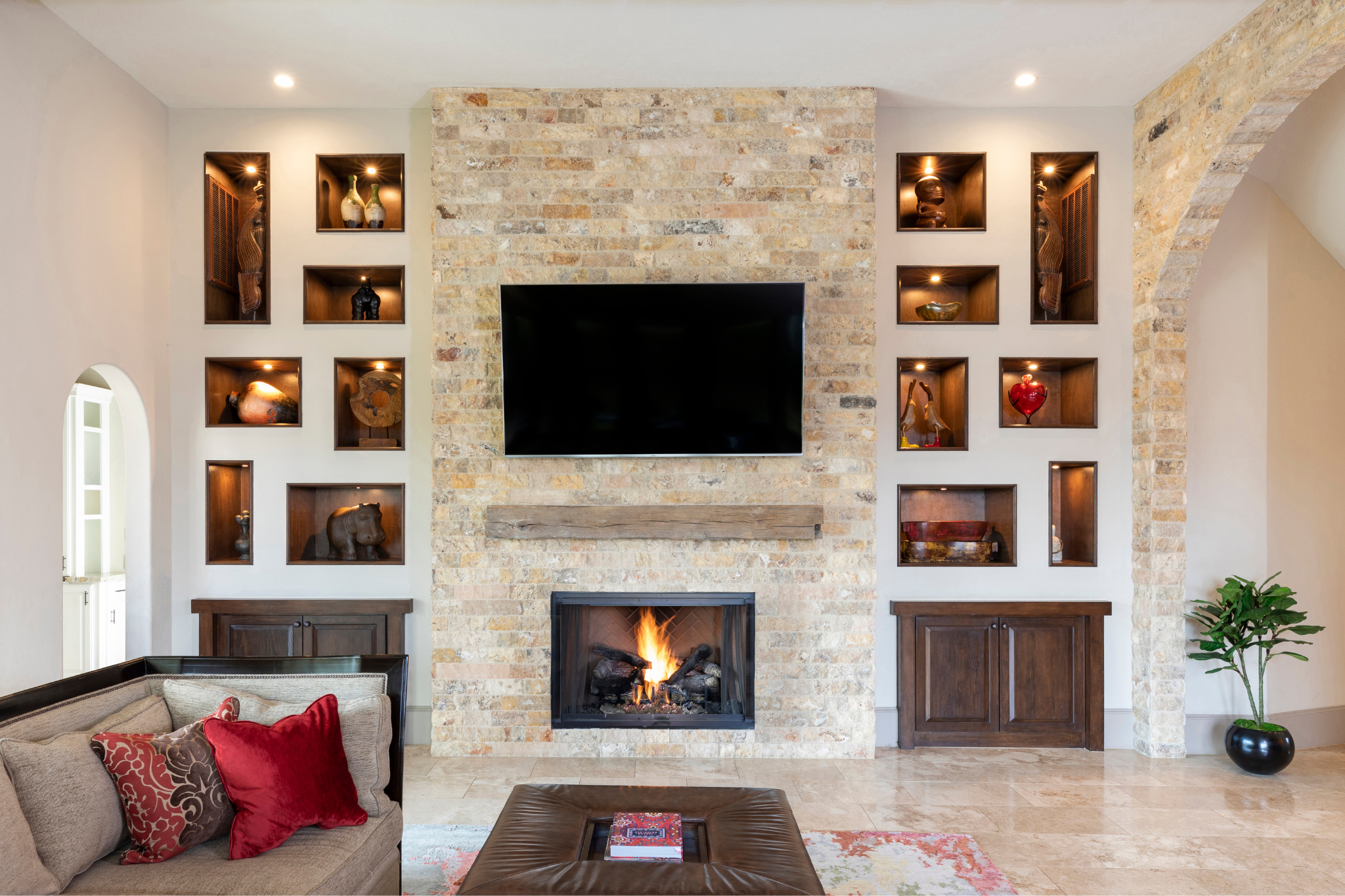
Character is not about buying things from a store. It’s about telling the story of the people who live in the home — and what better way to do this than by displaying sentimental and meaningful items?
Create a gallery wall. Mix different types of art, such as personal photos, professional prints, children’s drawings, and meaningful objects like postcards and concert tickets. Use a cohesive element to tie them all together. It can be a consistent frame color or a similar palette within the art or photos.
Avoid letting collections and souvenirs gather dust in cabinets. Use them as decorations to enjoy happy reminders of your travels or fond memories when you move around your home. If you’ve collected a ton over the years, display only the most meaningful and attractive objects to avoid cluttering your space.
Leverage Color Psychology in Your Palette
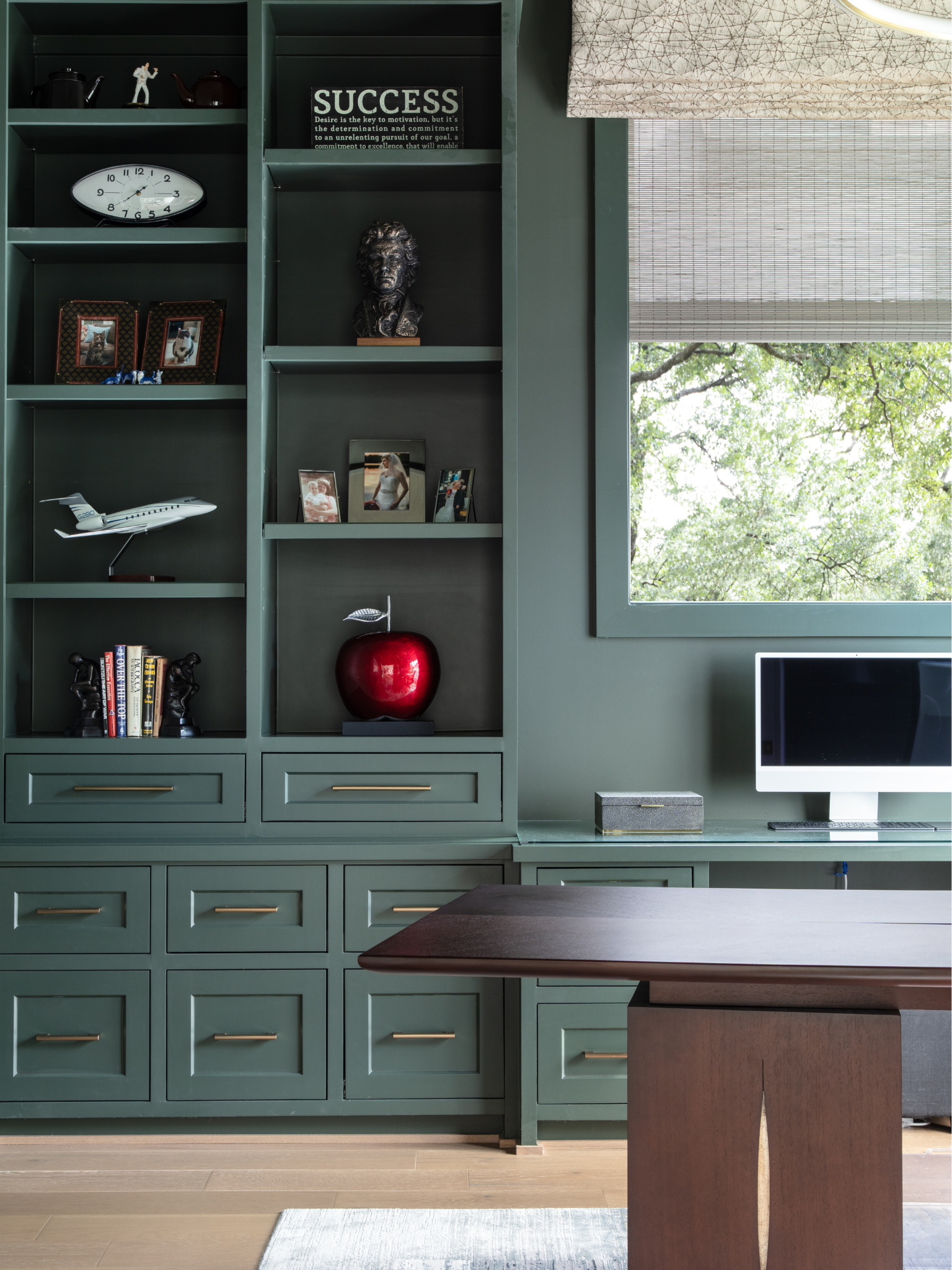
Color can evoke emotions and set the mood in rooms. Think about how you want to feel in a space, then choose hues that bring forth those sentiments and reactions.
Is your living room for hosting lively parties or for quiet family gatherings? If it’s the former, choose warm tones, like terra cotta, gold or olive green colors to evoke feelings of energy and optimism. If it’s the latter, you can create a serene and calming space with cool tones, such as sage green and gray-blue.
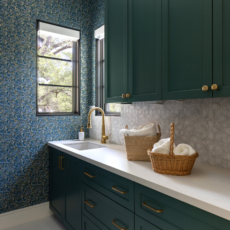
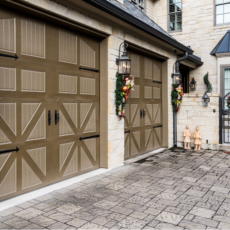
Use color intentionally when painting and decorating. Paint your front door a complimentary color to create additional interest from the curb. Cover the walls of a powder room with a deep, moody teal wallpaper to turn it into a dramatic jewel box. Add pops of color in rooms with dark motifs by hanging vibrant wall art or including eye-catching accessories.
From Blank Slate to a Home With a Soul
A new-build house can be a clean canvas and allows you avoid or work around former problems or design mistakes. Turning it into your home is a journey, not a weekend project. Start with the structure, layer in warmth and personality and add your unique story. Remember that the goal is to create a space that you’ll love and feel comfortable in, so focus on adding “character” that reflects your own taste and lifestyle.
We are off to our new design project.
Fondly,
Pamela Hope Designs
 MEET PAMELA, A LUXURY INTERIOR DESIGNER IN HOUSTON
Pamela O’Brien is the founder of Pamela Hope Designs in Houston, Texas. Pamela is an award-winning luxury interior designer, writer, and speaker. Prior to founding Pamela Hope Designs, Pamela served as a spokesperson in media and public affairs, working with media outlets like Dateline NBC and 48 Hours. This experience allowed her to travel the world and furthered her love for travel, culture, and interior design. After attending an executive course at the Harvard Graduate School of Design, Pamela launched her own interior design firm full-time. Pamela is known for building strong relationships with her clients, who later become friends and collaborators. She is highly influential in the Houston interior design space and shows no signs of slowing down.